Double Eyelid Surgery in Korea: Incisional vs Non-Incisional Methods, Recovery, and Choosing a Safe Clinic
A balanced comparison of incisional and non-incisional double eyelid surgery techniques offered in Seoul, covering candidacy, recovery timelines, accreditation standards, and practical guidance for international patients.
Researching the treatment itself? Read our full procedure guide — cost, recovery, candidacy and risks.
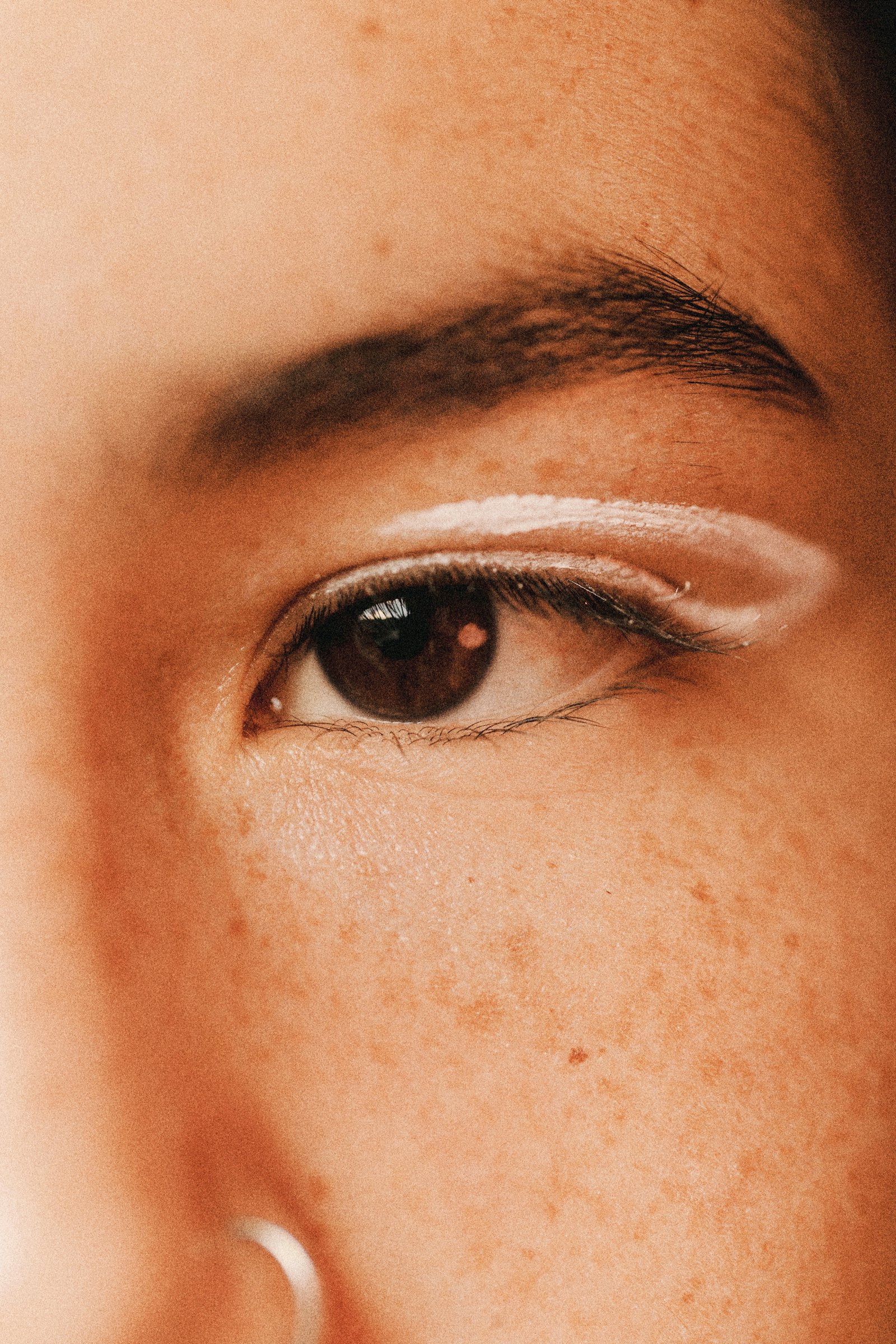
Double eyelid surgery—known medically as upper blepharoplasty—is one of the most commonly performed cosmetic procedures in South Korea. For international patients considering the procedure in Seoul, understanding the distinction between incisional and non-incisional techniques, what recovery realistically looks like, and how to verify a clinic's credentials is essential to making a safe, informed decision.
Understanding the Two Primary Techniques
Korean plastic surgeons broadly categorise double eyelid creation into two approaches. Each has distinct advantages and limitations, and the right choice depends on individual anatomy rather than personal preference alone.
Non-Incisional (Suture / Buried-Suture) Method
In this technique, the surgeon creates several micro-punctures along the planned crease line and threads a fine suture through the tissue to form an adhesion between the skin and the deeper eyelid structures. No skin or fat is removed.
- Typical candidates: Patients with thinner eyelid skin, minimal excess fat, and good skin elasticity.
- Key advantages: Shorter operative time, less post-operative swelling, faster visible recovery, and no external scar along the eyelid.
- Limitations: The fold may gradually loosen over time—particularly in patients whose anatomy is borderline for this method—and the technique cannot address significant skin or fat excess.
- Longevity: Results vary by individual; some patients retain the fold long-term, while others may see gradual fading after several years.
Incisional Method
The surgeon makes a fine incision along the desired crease, allowing direct access to remove excess skin, orbicularis muscle tissue, and orbital fat as needed. The wound is then sutured in layers to create a defined, lasting fold.
- Typical candidates: Patients with thicker or heavier eyelid skin, significant fat deposits, or those who have experienced fold loss after a previous non-incisional procedure.
- Key advantages: A more durable crease, the ability to address multiple anatomical concerns in a single session, and greater surgical control over the final fold shape.
- Limitations: Longer recovery period with more pronounced swelling, and a fine scar along the crease (which typically fades but may remain faintly visible).
- Longevity: Generally considered a long-lasting or permanent correction for most patients.
Quick Comparison
| Non-Incisional | Incisional | |
|---|---|---|
| Anaesthesia | Local (with or without sedation) | Local (with or without sedation) |
| Operative time | Approximately 20–40 minutes | Approximately 40–90 minutes |
| Visible swelling | Largely subsides within the first week | May take two to four weeks to settle noticeably |
| Stitch removal | Typically not required (absorbable sutures) | Usually five to seven days post-op |
| Return to daily activities | Often within three to five days | Often within one to two weeks |
| Final result maturation | One to three months | Three to six months |
Recovery Timeline: What to Expect
While individual healing varies, most patients experience a broadly similar progression. The timeline below reflects general patterns reported for the incisional method; non-incisional patients typically move through these stages faster.
Days 1–3: Peak Swelling
Swelling and bruising around the eyelids are at their most pronounced during the first 48–72 hours. Cold compresses applied intermittently and sleeping with the head elevated can help manage discomfort. Vision may feel slightly blurry from ointment or mild oedema, but this is usually temporary.
Week 1: Early Healing
Sutures are typically removed around day five to seven for incisional patients. Bruising begins to yellow and fade. Most surgeons advise avoiding eye make-up, contact lenses, and strenuous activity during this phase.
Weeks 2–3: Social Recovery
The majority of visible swelling has resolved, and many patients feel comfortable returning to work and social settings. The crease may still appear higher or more defined than the final result, as residual swelling continues to settle.
Months 1–6: Refinement
Subtle swelling continues to diminish. The scar from an incisional procedure gradually matures from pink to a fine, pale line that typically sits within the new crease. Most patients see their near-final result by the three-to-six-month mark.
Choosing a Safe, Accredited Clinic in Seoul
South Korea's regulatory framework for cosmetic surgery is among the most structured in the world, but the sheer number of clinics—especially in areas like Gangnam—means international patients should be deliberate in their research.
Verify Surgeon Credentials
In Korea, the title "plastic surgery specialist" (성형외과 전문의) is legally protected and requires completion of a recognised residency programme and board certification through the Korean Society of Plastic and Reconstructive Surgeons (KSPRS). Patients can confirm a surgeon's specialist status through the Korean Society of Plastic and Reconstructive Surgeons (KSPRS) directory; the Health Insurance Review and Assessment Service (HIRA) database can additionally be used to look up registered practitioners and institutions.
Look for Hospital-Level Accreditation
The Korean government operates the Korea Accreditation Program for Hospitals Serving Foreign Patients, commonly known by its former acronym KAHF. Facilities that hold this accreditation have been evaluated on criteria including interpreter services, translated consent documents, infection control protocols, emergency readiness, and malpractice liability insurance. Joint Commission International (JCI) accreditation is another internationally recognised standard held by some Korean institutions.
Assess Communication and Transparency
- Confirm that the clinic offers coordination in your language—not just at intake, but through the surgical consent process and all post-operative instructions.
- Ask whether the consulting surgeon is the same person who will perform the procedure. Korea has introduced measures to address concerns about undisclosed surgeon substitution ("ghost surgery"), including operating-room CCTV recording carried out at the patient's request.
- Request a detailed breakdown of what the quoted fee includes (anaesthesia, facility, follow-up visits, medication) to avoid unexpected charges.
Plan for Adequate Recovery Time
International patients should factor in sufficient time in Seoul for at least one post-operative follow-up visit and stitch removal if applicable. Travelling with significant swelling is generally safe but can be uncomfortable, so building in extra days is prudent.
How Seoul Medical Insider Can Help
Navigating Seoul's cosmetic surgery landscape from abroad can feel overwhelming. Seoul Medical Insider provides editorially independent, research-backed guidance to help international patients identify accredited clinics, understand procedure options, and prepare for the practical aspects of medical travel to Korea—without favouring any single provider. Our goal is to help you arrive at your consultation informed, prepared, and confident in the questions you ask.
Disclaimer
This article is provided for general informational and educational purposes only. It does not constitute medical advice, diagnosis, or treatment. Individual anatomy, health status, and goals vary—outcomes cannot be predicted or guaranteed. Always consult a board-certified plastic surgeon for a personalised assessment before making any decisions about surgery.
Editorial note: Published 11 June 2026.
Clinical details are summarized from materials provided by SMI's partner clinics and published guidance from the Korean Society of Plastic and Reconstructive Surgeons (KSPRS). Technique selection is determined by your surgeon during consultation. SMI is a registered patient-facilitation agency, not a medical provider, and does not offer medical advice.
Related procedure guide See the full Blepharoplasty (Double Eyelid Surgery) guideFrequently asked questions
Sources
- Ministry of Health and Welfare, Republic of Korea
- Medical Korea (KHIDI)
- Korea Health Industry Development Institute (KHIDI)
- Korean Society of Plastic and Reconstructive Surgeons (KSPRS)
Read our editorial policy to learn how we source and verify information.
