
Lower Blepharoplasty in Korea: Eye Bag Removal, Fat Repositioning, Costs, and How to Choose a Safe Clinic
A practical guide to lower blepharoplasty in Korea for international patients — comparing fat repositioning with fat removal, incision approaches, typical price ranges, the recovery timeline, and how to vet a board-certified clinic.
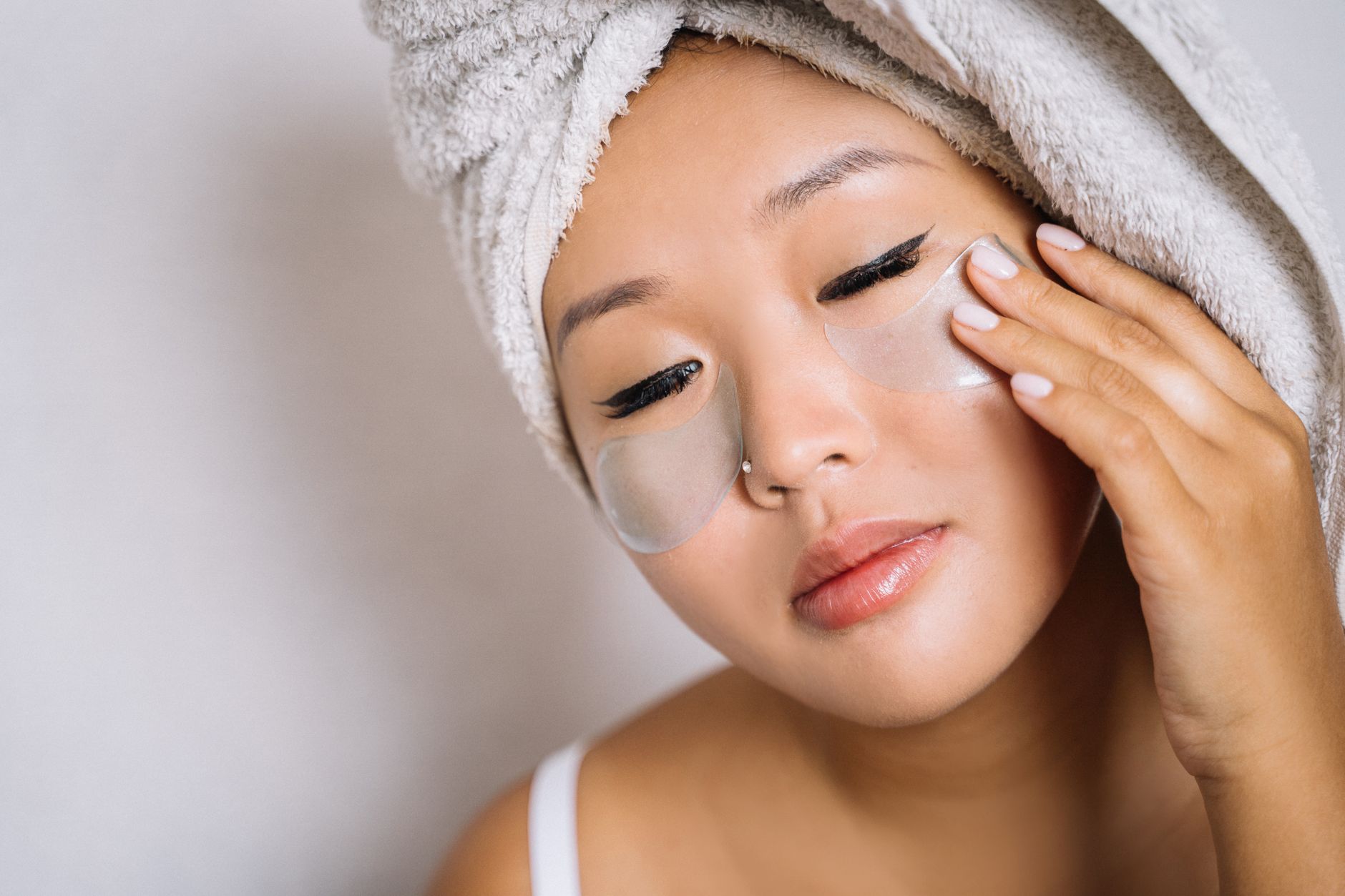
Researching the treatment itself? Read our full procedure guide — cost, recovery, candidacy and risks.
Under-eye bags are one of the most common concerns that bring international patients to Seoul's eye-focused plastic surgery clinics. Because puffiness and dark hollows under the eyes are often caused by herniated fat pads rather than skin alone, creams and lasers usually offer limited improvement — which is why lower blepharoplasty (surgical correction of the lower eyelid) remains the standard option for lasting change. Korea has developed a particularly deep bench of surgeons who focus exclusively on periorbital (eye-area) surgery, and many clinics in Gangnam and Apgujeong now run dedicated international patient programs.
This guide explains the two core surgical decisions — fat repositioning versus fat removal, and the transconjunctival versus transcutaneous approach — along with typical costs, a realistic recovery timeline, and how to identify a safe, board-certified clinic.
Fat Repositioning vs. Fat Removal: What's the Difference?
Lower eyelid bags form when the fat pads that cushion the eye push forward against a weakened supporting membrane. There are two main ways surgeons address this.
Fat repositioning
Instead of discarding the herniated fat, the surgeon redrapes it downward into the tear-trough hollow beneath the bag. This fills the groove that creates a shadowed, tired look while flattening the bulge above it. Many Korean clinics favor repositioning for younger and middle-aged patients because it preserves volume — an important consideration, since over-removal of under-eye fat can contribute to a hollow, aged appearance years later.
Fat removal
Excess fat is conservatively excised. This can suit patients with pronounced fat herniation but minimal hollowing. Surgeons today generally remove fat sparingly; the goal is a smooth transition from lower lid to cheek, not an empty under-eye.
In practice, many procedures combine elements of both, and the right plan depends on your anatomy — the amount of herniated fat, the depth of the tear trough, skin quality, and cheek support. This is a judgment call best made in an in-person consultation with a specialist.
Transconjunctival vs. Transcutaneous: Where the Incision Goes
Transconjunctival | Transcutaneous (subciliary) | |
|---|---|---|
Incision | Inside the lower eyelid (no external scar) | Fine line just below the lash line |
Best suited for | Fat herniation with good skin elasticity; often younger patients | Fat plus noticeably loose or wrinkled skin; often older patients |
Skin removal | Not directly (may be combined with skin treatments) | Yes — excess skin can be trimmed and tightened |
Typical downtime | Generally shorter | Somewhat longer; sutures usually removed around day 5–7 |
The transconjunctival approach is widely used in Korea because it leaves no visible scar and tends to carry a lower risk of lower-lid retraction. However, it does not address surplus skin, so patients with significant laxity may be better candidates for a transcutaneous approach or a combination plan. Neither approach is universally "better" — suitability depends on individual anatomy.
How Much Does Lower Blepharoplasty Cost in Korea?
Published price ranges vary by clinic, technique, and whether skin tightening is added. Based on clinic pages and medical-travel platforms reviewed at the time of writing, international patients commonly encounter figures in these broad ranges:
Transconjunctival fat removal or repositioning: roughly $1,500–$3,000 USD at many Seoul clinics.
Fat repositioning combined with skin removal or tightening: often quoted around $2,600–$4,000+ USD.
Quotes usually cover the surgeon's fee, anesthesia, post-operative medication, and initial follow-up visits, but inclusions differ — always request an itemized quote in writing. Clinics in prime Gangnam locations and surgeons with long specialist track records tend to charge more. These figures are indicative only and change over time; the clinic's own written quotation is the only reliable price.
Recovery Timeline for Traveling Patients
Days 1–3: Swelling and bruising typically peak around 48–72 hours. Cold compresses and head elevation are commonly advised.
Days 5–7: Most patients are socially presentable with sunglasses and light concealer; transcutaneous sutures are usually removed in this window.
Week 2: Most visible bruising resolves for many patients.
Weeks 4–6: Residual swelling gradually settles; the refined final contour continues to emerge over the following months.
Most clinics recommend that international patients plan a minimum stay of about 7–10 days in Korea to allow for the pre-operative consultation, surgery, early recovery, a follow-up check (and suture removal if applicable), and clearance to fly. Individual healing varies, so build buffer time into your itinerary.
Choosing a Safe, Board-Certified Clinic
In Korea, any licensed physician may legally perform cosmetic procedures, so verifying specialist credentials matters. Practical steps:
Confirm board certification in plastic surgery. Look for certification recognized by the Korean Society of Plastic and Reconstructive Surgeons (KSPRS), which maintains a searchable member directory. Ask directly for the surgeon's license and board registration numbers — reputable clinics provide them without hesitation.
Check foreign-patient accreditation. Clinics registered with the government to treat international patients, and those accredited under the Korean Accreditation Program for Hospitals Serving Foreign Patients (KAHF), are evaluated on interpreter services, translated consent forms, infection control, and emergency readiness.
Ask about anesthesia safety. Confirm who administers and monitors sedation or general anesthesia, and what emergency equipment and protocols are in place.
Verify who operates. Confirm in writing that the consulting surgeon is the operating surgeon.
Insist on a proper interpreter. A qualified medical interpreter should be present during consultation and consent — not just marketing staff.
Be wary of red flags: high-pressure discounts for same-day booking, refusal to share credentials, vague answers about revision policy, or unusually low prices.
How Seoul Medical Insider Helps
Seoul Medical Insider connects international patients with accredited Korean clinics whose surgeons hold verifiable board certification. We help you compare eye-specialized clinics, understand itemized quotes, arrange interpretation, and plan a realistic recovery itinerary — without steering you toward any single "best" clinic, because the right choice depends on your anatomy, goals, and consultation findings.
Disclaimer
This article is general information only and is not medical advice. It does not replace an in-person evaluation. Surgical outcomes, risks, costs, and recovery vary by individual. Always consult a board-certified plastic surgeon — and, where relevant, your own physician — before deciding on any procedure.
Clinical details are summarized from materials provided by SMI's partner clinics and published guidance from the Korean Society of Plastic and Reconstructive Surgeons (KSPRS). Technique selection is determined by your surgeon during consultation. SMI is a registered patient-facilitation agency, not a medical provider, and does not offer medical advice.
Related procedure guide See the full Lower Blepharoplasty (Eye Bag Removal) guideFrequently asked questions
Sources
- Ministry of Health and Welfare, Republic of Korea
- Medical Korea (KHIDI)
- Korea Health Industry Development Institute (KHIDI)
Read our editorial policy to learn how we source and verify information.
