SMAS Facelift in Korea: Plication vs SMASectomy, Costs, and How to Choose a Safe Clinic
A practical guide to the SMAS facelift in Korea for international patients — how plication and SMASectomy differ, how the SMAS approach compares to a deep plane lift, what clinics typically charge in USD, and how to verify a board-certified surgeon.
Researching the treatment itself? Read our full procedure guide — cost, recovery, candidacy and risks.
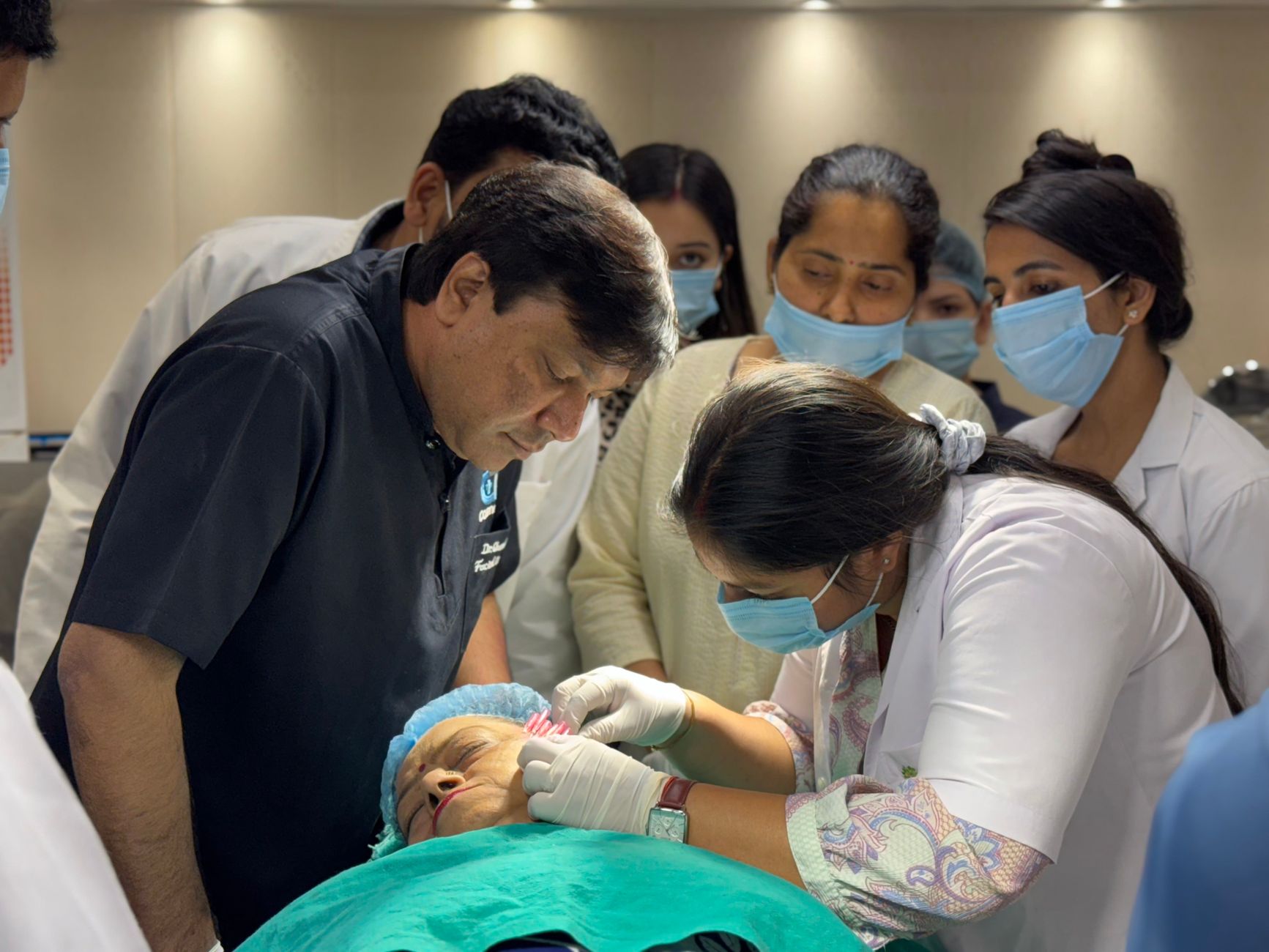
For international patients researching facial rejuvenation in South Korea, the term SMAS facelift appears in nearly every clinic brochure and consultation. SMAS stands for the superficial musculoaponeurotic system — a layer of connective tissue and muscle beneath the skin of the face. Rather than simply pulling skin tighter, a SMAS facelift repositions this deeper structural layer, which is why it has become the reference standard against which other lifting techniques are compared.
This guide explains the two main ways surgeons work with the SMAS layer — plication and SMASectomy — how the SMAS approach differs from the increasingly popular deep plane facelift, what Korean clinics typically charge in USD, how recovery unfolds for a visiting patient, and how to verify that your surgeon is board-certified before booking a flight.
What Is the SMAS, and Why Does It Matter?
The SMAS is a fibromuscular layer that sits between the facial skin and the deeper muscles of expression. As the face ages, this layer loosens and descends, contributing to jowls, a softened jawline, and deepening folds around the mouth. Early facelifts that tightened only the skin often produced a pulled, short-lived result. By anchoring the lift at the SMAS layer instead, surgeons can redistribute tension away from the skin surface, which is generally associated with more natural-looking movement and longer-lasting outcomes.
SMAS Plication vs SMASectomy: Two Techniques, One Layer
Once the SMAS layer is exposed, surgeons broadly take one of two approaches. Neither is universally "better" — the choice depends on your facial anatomy, the degree of laxity, and the surgeon's training and preference.
SMAS Plication
In a plication, the SMAS layer is folded over itself and secured with sutures, without removing any tissue. Because no incision is made into the SMAS itself, the technique is considered less invasive within the SMAS family and keeps the surgical plane above the main branches of the facial nerve.
Often suited to patients with mild to moderate sagging
The folded tissue can add subtle volume — sometimes helpful for narrower or hollow-cheeked faces
Generally regarded as carrying a lower risk profile with respect to the facial nerve
SMASectomy
In a SMASectomy (also called lateral SMASectomy), the surgeon excises a strip of SMAS tissue — commonly described as roughly one to two centimeters wide — along a planned vector, then sutures the cut edges together. This shortens the layer rather than folding it.
Often chosen for patients with more significant laxity or fuller, rounder faces, where folding could create bulk
Allows more predictable repositioning along a specific lifting direction
Because the SMAS is incised, the technique demands precise anatomical knowledge; the theoretical risk to facial nerve branches is slightly higher than with plication, though it remains low in experienced hands
SMAS Facelift vs Deep Plane Facelift
Many patients arrive at Korean consultations asking whether they should have a SMAS lift or a deep plane facelift. The key distinction is the plane of dissection: a deep plane lift releases and repositions tissue beneath the SMAS layer, moving the skin and SMAS together as a single unit, whereas SMAS techniques work on top of or within the layer itself.
Factor | SMAS Facelift (Plication / SMASectomy) | Deep Plane Facelift |
|---|---|---|
Dissection depth | At the SMAS layer | Beneath the SMAS layer |
Typical candidate | Mild to moderate aging, early jowling | More advanced aging, significant midface descent |
Midface effect | Primarily improves lower face and jawline | Often described as stronger midface and nasolabial fold improvement |
Early recovery (social readiness) | Commonly cited around 10–14 days | Commonly cited around 14–21 days, with more initial swelling |
Complexity | Well-established, widely performed | Technically demanding; deeper dissection near nerve branches |
Neither technique guarantees a particular result or duration. Published estimates of longevity vary widely, and individual outcomes depend on skin quality, bone structure, lifestyle, and the surgeon's execution. A reputable Korean surgeon will recommend a plane of dissection based on your anatomy — not on whichever term is trending.

How Much Does a SMAS Facelift Cost in Korea?
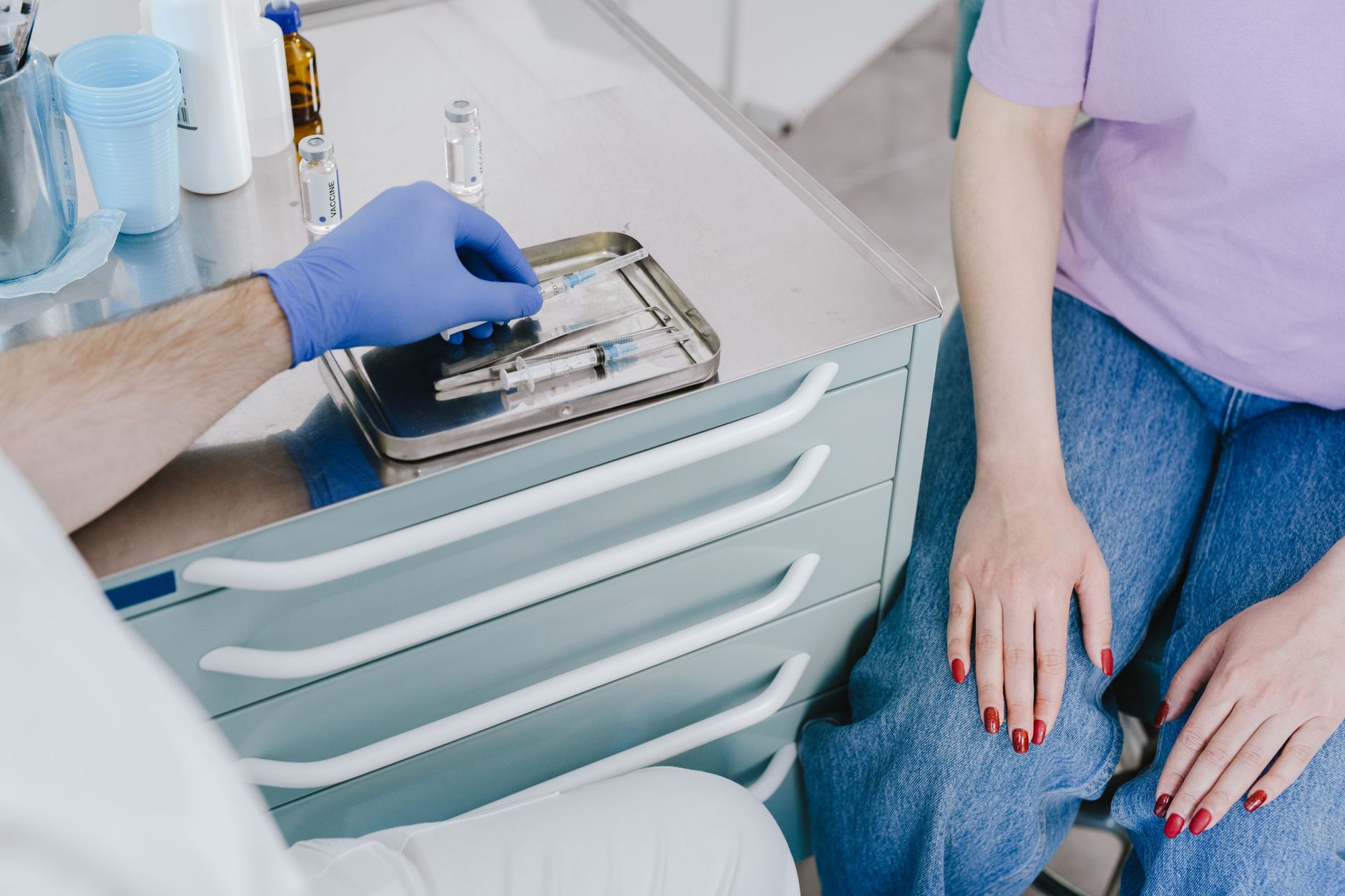
Prices vary substantially by clinic tier, surgeon experience, and the scope of surgery (face only, face plus neck, or combined procedures). Based on publicly listed ranges from Korean clinics and medical-tourism guides, a SMAS facelift in Seoul is commonly quoted between roughly $4,600 and $15,000 USD, with premium Gangnam clinics typically in the $8,000–$13,000 band. Adding a neck lift or forehead lift raises the total.
Korean clinics frequently quote all-inclusive packages for international patients, covering anesthesia, facility fees, post-operative visits, and sometimes interpretation services — confirm exactly what is included in writing
Comparable surgery in the United States or Western Europe is often estimated at 30–50% higher, though direct comparisons should account for travel and accommodation costs
Be cautious of quotes that appear dramatically below market range; unusually cheap surgery can signal shared operating surgeons, delegated procedures, or corner-cutting on anesthesia and monitoring
All figures are indicative ranges drawn from published sources, not quotations. Obtain a written, itemized quote from any clinic you consider.
Recovery Timeline for International Patients
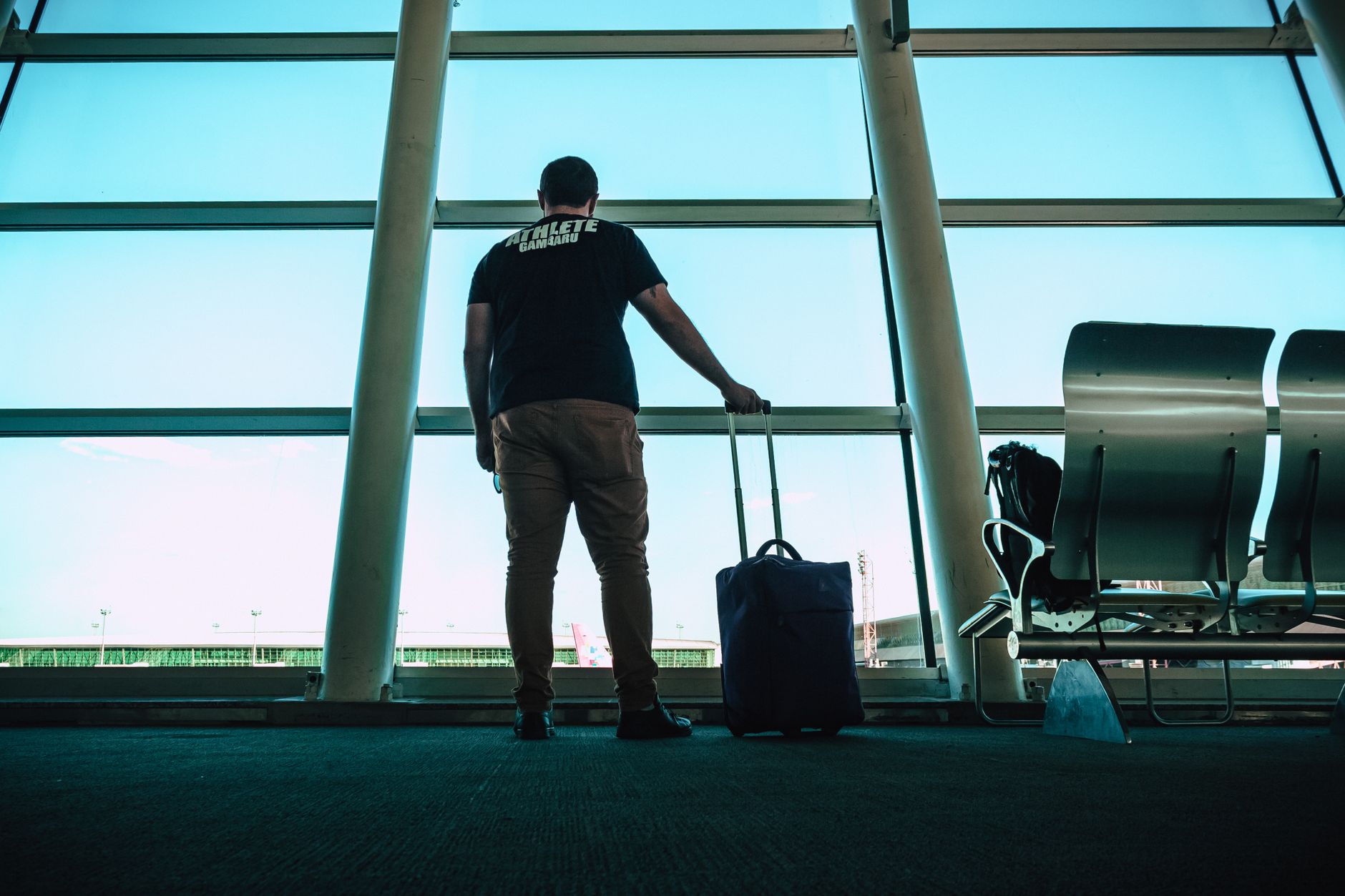
A facelift is not a procedure to fly home from the next day. Most Korean clinics and medical-tourism guides recommend that overseas patients plan a 10–14 day stay in Korea:
Days 1–3: Swelling and bruising peak; a compression garment is usually worn. Rest with the head elevated.
Days 4–7: Swelling begins to subside. Sutures in front of the ears are often removed around day 7. Light walking and gentle outings are typically possible.
Days 10–14: Remaining sutures (often in the hairline) are removed in stages. Residual bruising can usually be concealed with makeup, and most patients are cleared for long-haul flights.
Weeks 3–6: Most visible swelling resolves; many patients feel comfortable returning to work and social life.
Months 3–12: Final contour settles gradually as deep swelling resolves and scars mature.
Having your operating surgeon remove the sutures — rather than a doctor at home — allows the person who knows the exact tension and depth of your incisions to monitor healing and manage early complications such as hematoma before you fly.
Choosing a Safe, Board-Certified Clinic in Korea
Under Korean law, any licensed physician may perform cosmetic procedures and advertise as a "cosmetic surgeon" — the title alone does not guarantee specialist surgical training. International patients should verify credentials directly:
Confirm board certification through the Korean Society of Plastic and Reconstructive Surgeons (KSPRS), which maintains a searchable member directory. Ask the clinic for the operating surgeon's full Korean name, medical license number, and board registration number — reputable clinics provide these without hesitation.
Check government registration. Korea maintains a registration system for institutions authorized to treat foreign patients, and the Korean Accreditation Program for Hospitals Serving Foreign Patients (KAHF) audits clinics on patient-safety systems, infection control, emergency readiness, interpreter services, and translated consent forms.
Ask who actually operates. Confirm in writing that the surgeon you consult is the surgeon who performs your procedure from start to finish — so-called "ghost surgery" has been a documented concern in the industry.
Assess the consultation itself. A trustworthy surgeon examines your anatomy, explains why plication, SMASectomy, or a deep plane approach suits you, and discusses risks openly. High-pressure sales tactics, guaranteed results, or refusal to share credentials are warning signs.
Verify anesthesia and emergency protocols, including whether a dedicated anesthesiologist is present for surgery under sedation or general anesthesia.
How Seoul Medical Insider Can Help
Seoul Medical Insider does not recommend a single "best" clinic — no such universal answer exists. Instead, we help international patients shortlist accredited, board-certified Korean clinics, understand the questions to ask during remote consultations, compare written quotes on a like-for-like basis, and plan a realistic recovery stay in Seoul. Our guidance is editorial and informational; final medical decisions always belong to you and your surgeon.
Disclaimer
This article is provided for general informational purposes only and does not constitute medical advice, diagnosis, or treatment recommendations. Surgical techniques, costs, and recovery experiences vary by individual. Always consult a board-certified plastic surgeon to discuss your specific anatomy, health history, and expectations before deciding on any procedure.
Clinical details are summarized from materials provided by SMI's partner clinics and published guidance from the Korean Society of Plastic and Reconstructive Surgeons (KSPRS). Technique selection is determined by your surgeon during consultation. SMI is a registered patient-facilitation agency, not a medical provider, and does not offer medical advice.
Related procedure guide See the full SMAS Facelift guideFrequently asked questions
Sources
- Ministry of Health and Welfare, Republic of Korea
- Medical Korea (KHIDI)
- Korea Health Industry Development Institute (KHIDI)
Read our editorial policy to learn how we source and verify information.
