
Procedure guide
Dermal Filler in Korea
- Surgery time Around 15 – 30 minutes
- Anesthesia type Topical numbing cream
- Hospitalization Not required
- Face wash & makeup Same day
- Post-surgery check-up Not required
- Stitches removal Not required



Dermal fillers are injectable gel-based substances used to restore volume, smooth wrinkles, and enhance facial contours without surgery. In Korea, filler treatments are among the most popular non-surgical aesthetic procedures, performed daily in thousands of clinics across Seoul. Korean practitioners are known for a natural, balanced injection philosophy — favouring subtle enhancement that respects overall facial harmony rather than isolated, exaggerated changes.
The most widely used fillers are hyaluronic acid (HA) based, such as Juvederm, Restylane, and Korean-manufactured brands like Revolax and Elravie. Other options include calcium hydroxylapatite (Radiesse) for deeper structural support and poly-L-lactic acid (Sculptra) for gradual collagen stimulation. Your practitioner will recommend the appropriate product based on the treatment area and your goals.
| Treatment time | 15 – 45 minutes |
| Anaesthesia | Topical numbing cream (most fillers also contain lidocaine) |
| Hospital stay | None — walk-in, walk-out |
| Back to routine | Immediately (minor restrictions for 24 – 48 hours) |
| Final result | Immediate, with final settling at 1 – 2 weeks |
This page is for general information only and does not replace a medical consultation. Results vary based on product type, injection technique, individual metabolism, and the treatment area.
How it works
Dermal filler injections follow a straightforward process, though the skill of the injector is what separates a natural result from an overdone one. Here is what to expect during a typical session.
- Consultation & planning — The practitioner analyses your facial structure, skin quality, and areas of volume loss or asymmetry. Treatment goals are discussed, and the type and quantity of filler are recommended. Photographs are taken for before-and-after comparison.
- Preparation — The skin is cleansed and a topical anaesthetic cream is applied to the treatment area for 15 – 20 minutes. Some clinics also use nerve blocks for sensitive zones like the lips.
- Injection — Using a fine needle or blunt-tip cannula, the filler is injected at precise depths and locations. Common treatment areas include the nasolabial folds, tear troughs (under-eye hollows), cheeks, chin, jawline, lips, and forehead. The practitioner massages and moulds the product during injection to ensure smooth, even distribution.
- Assessment & touch-up — After injection, the practitioner evaluates symmetry and volume from multiple angles. Small additional amounts may be added to fine-tune the result. Patients are given a mirror to review and provide feedback.
- Aftercare instructions — Ice may be applied briefly to reduce swelling. You receive guidance on what to avoid (intense heat, alcohol, strenuous exercise) for the next 24 – 48 hours. No downtime is required, and you can return to normal activities immediately.
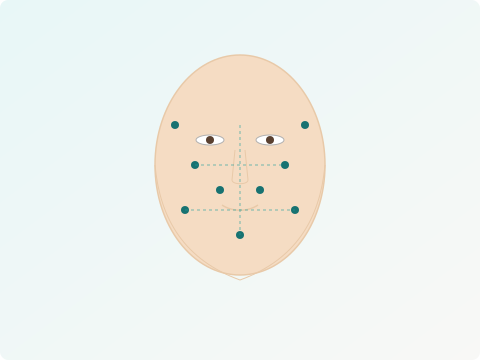
Facial analysis
The practitioner assesses facial volume loss, asymmetry, and contour goals. The injection points, filler type (HA-based), and volume per area are planned.
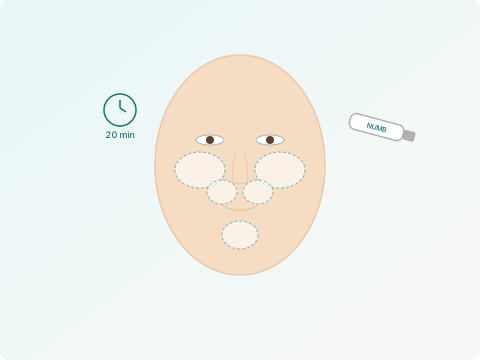
Numbing & preparation
A topical numbing cream is applied for 15-20 minutes. The injection sites are cleaned and marked. Most modern fillers also contain lidocaine for added comfort.
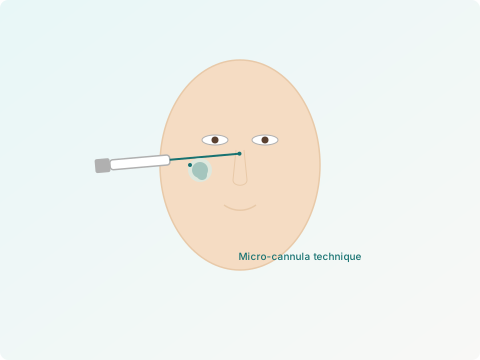
Precision injection
Using a fine needle or blunt cannula, the filler is injected at precise depths — deep for structural support, superficial for fine lines and lip definition.
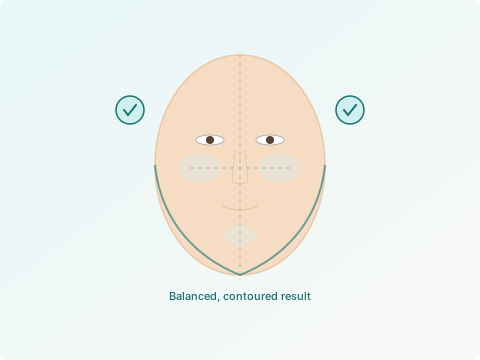
Moulding & assessment
The practitioner gently moulds the filler and checks symmetry from multiple angles. Adjustments are made immediately. Results are visible right away.
Cost · as of 2026
Through Seoul Medical Insider, dermal filler pricing is transparent and quoted per syringe or per treatment plan. Your quote includes the consultation, the filler product itself, the injection procedure, and any immediate follow-up within the first two weeks — no hidden fees.
The price depends on the brand and type of filler (premium imported HA fillers tend to cost more than Korean-manufactured equivalents, though quality is comparable), the number of syringes used (a lip enhancement may require 1 syringe, while a full-face rejuvenation could use 3 – 6), and the experience level of the injector. Non-HA fillers like Sculptra are priced differently because they require multiple sessions over several months.
Pricing information is reviewed and updated as of 2026. Request a personalised treatment plan through Seoul Medical Insider to receive an accurate quote for your specific goals.
Who it is for
Dermal fillers are one of the most versatile non-surgical treatments available, but they work best when expectations align with what injectables can realistically achieve.
- Suited: Patients experiencing early to moderate signs of facial volume loss, such as flattened cheeks, deepening nasolabial folds, or hollow under-eye areas.
- Suited: Individuals who want to enhance specific features — fuller lips, a more defined chin, or a sharper jawline — without surgery.
- Suited: Patients looking for a "trial run" of a facial change before committing to a permanent surgical procedure (for example, trying chin filler before considering a chin implant).
- Suited: Those who want a refreshed appearance with zero downtime and are comfortable with results that last 6 – 18 months and require maintenance.
- Discuss carefully: Patients with autoimmune conditions or a history of severe allergic reactions to injectable products.
- Discuss carefully: Individuals with active skin infections, cold sores, or acne cysts in the intended treatment area — treatment should be postponed until resolved.
- Discuss carefully: Patients who have had permanent fillers (silicone) or large volumes of filler injected previously — these cases carry a higher risk of complications and require careful assessment.
Recovery
- Day 1: Mild swelling, redness, and tenderness at injection sites are normal. Small bruises may appear, particularly in the under-eye and lip areas. Apply ice gently for 10 minutes at a time if needed. Avoid touching or massaging the treated area unless instructed. Sleep with your head slightly elevated.
- Days 2 – 3: Swelling typically peaks on day two, especially with lip fillers, and begins to subside. Bruising, if present, can be covered with makeup after 24 hours. Avoid intense exercise, saunas, steam rooms, and alcohol.
- Days 4 – 7: Most swelling and bruising have resolved. The filler settles into its final position and integrates with surrounding tissue. You can resume all normal activities, including exercise.
- Weeks 1 – 2: The final result is visible. If there is any minor asymmetry or if you would like a small top-up, a follow-up appointment can be scheduled. HA fillers can be adjusted or dissolved with hyaluronidase if needed.
Because dermal filler is a non-surgical treatment with minimal downtime, you can have the procedure done early in your visit to Korea and enjoy the rest of your trip. A follow-up appointment 5 – 7 days later is recommended but not always essential. Many patients combine filler with other non-surgical treatments (Botox, skin lasers) during the same visit.
Risks & considerations
Dermal filler injections are considered low-risk when performed by a trained and experienced practitioner, but complications can occur. These include bruising and swelling (common and temporary), asymmetry requiring touch-up, nodules or lumps if the filler is placed superficially or unevenly, migration of filler away from the intended area over time, Tyndall effect (a bluish discolouration when HA filler is placed too superficially under thin skin), infection at the injection site, allergic or hypersensitivity reactions, granuloma formation (rare inflammatory nodules), and — the most serious risk — vascular occlusion, where filler inadvertently enters or compresses a blood vessel, potentially leading to skin necrosis or, in extremely rare cases, vision impairment if injected near the nose or forehead. Choosing a practitioner experienced in facial vascular anatomy and who keeps hyaluronidase (a dissolving agent) on hand is essential for safety.
Korea trip checklist
- Avoid blood-thinning medications and supplements (aspirin, ibuprofen, fish oil, vitamin E, ginkgo) for 5 – 7 days before treatment to minimise bruising.
- If you are prone to cold sores and plan to have lip filler, ask your doctor about a preventive course of antiviral medication (valacyclovir) starting 2 days before treatment.
- Arrive at the clinic with a clean face — no makeup, sunscreen, or skincare products on the treatment area.
- Bring sunglasses and a hat if you prefer to conceal mild post-treatment swelling or redness when leaving the clinic.
- Schedule your filler appointment at least 2 – 3 days before any important event or photoshoot to allow initial swelling to subside.
- Ask your practitioner which specific filler brand and batch number was used — this information is important for any future practitioner to know.
- Keep the clinic's emergency contact number saved in your phone in case you notice unusual pain, skin colour changes, or vision disturbance after treatment — these require immediate attention.
Clinical details are summarized from materials provided by SMI's partner clinics and published guidance from the Korean Society of Plastic and Reconstructive Surgeons (KSPRS). Technique selection is determined by your surgeon during consultation. SMI is a registered patient-facilitation agency, not a medical provider, and does not offer medical advice.
Why get this procedure in Korea
-
Technology hub
Korea is home to Ultherapy, Thermage, and thread lift innovation. Practitioners have early access to the latest devices and protocols.
-
No downtime, same trip
Non-surgical treatments can be done during a short visit. Many patients combine them with sightseeing or other procedures.
-
Competitive pricing
Device-based treatments in Korea cost roughly half of what Western clinics charge for the same brand and shot count.
You may also consider
Related guides
- Korean Skin Boosters Explained: Rejuran, the Chanel Injection, Juvelook and More A plain-English, hype-free guide to Korea's most-searched skin boosters — what Rejuran, the Chanel injection (NCTF), Juvelook and exosomes actually are, their generic names, sessions and downtime, and the regulatory status to check.
- Fat Grafting in Korea: What International Patients Should Know About Fat Transfer Procedures Korea has become a leading destination for fat grafting procedures, from facial rejuvenation to breast and body contouring. This guide covers what international patients need to know about techniques, costs, recovery, and choosing a qualified surgeon.
- The Real All-In Cost of Plastic Surgery in Korea (Beyond the Quote) The surgery quote is only part of the bill. A clear, honest framework for the all-in cost of plastic surgery in Korea — every line item, plus how to avoid hidden fees and the foreigner price gap.
- Korea Ended the Cosmetic-Surgery VAT Refund in 2026: Is It Still Cheaper? Korea ended its VAT refund for foreign cosmetic-surgery patients on January 1, 2026. What the change really means for your bill — and an honest look at how Korea now compares with Singapore and the US.
Frequently asked questions
Sources
- Ministry of Health and Welfare, Republic of Korea
- Medical Korea (KHIDI)
- Korea Health Industry Development Institute (KHIDI)
- Korean Society of Plastic and Reconstructive Surgeons (KSPRS)
- International Society of Aesthetic Plastic Surgery (ISAPS)
Read our editorial policy to learn how we source and verify information.
